April 30, 2026
Proper care of your metal roof is essential for maximizing its lifespan and performance. After a metal roof installation, routine maintenance ensures that your roof stays durable, visually appealing, and resistant to environmental challenges for many years. Metal roofs are a long-term investment that offer energy efficiency, enhanced durability, and aesthetic appeal. However, without proper maintenance, even the most robust metal roofs can develop issues over time. By understanding the best practices for upkeep, homeowners can protect their investment and avoid costly repairs.
Regular Roof Inspections
Conducting roof inspections at least twice a year is key to identifying potential issues before they escalate. Homeowners should check for visible damage, such as rust, loose panels, or sealant deterioration. Inspecting screws, fasteners, and attachment points helps ensure structural stability and prevents leaks. Pay special attention after severe weather events, as high winds or heavy hail can dislodge panels or compromise seals.
Hiring a professional roofing specialist provides a more thorough evaluation of the roof’s condition. Professionals can spot subtle issues that may not be obvious to homeowners, offering guidance for necessary maintenance. They can also identify potential areas where insulation or flashing might be failing, which can lead to heat loss or water intrusion. Documenting inspections helps track changes over time, making it easier to plan repairs and communicate with contractors effectively. Detailed inspection logs can be invaluable if warranty claims arise or when planning future maintenance budgets.
Paying close attention to attachment points is particularly important. Loose screws or fasteners can compromise the roof’s performance, leading to water damage or energy inefficiency. A proactive inspection routine combined with professional guidance is an essential step in maintaining your roof after metal roof installation. Over time, even minor issues can escalate if not addressed early, so staying proactive is key to preventing major problems.
Cleaning Your Metal Roof
Cleaning your metal roof twice a year removes debris, dirt, and organic matter that can lead to corrosion. Use gentle, non-abrasive cleaners formulated for metal roofs along with soft brushes or low-pressure washers to protect the roof’s finish. Regular cleaning not only enhances appearance but also extends the roof’s lifespan. Accumulated dirt and debris can trap moisture against the surface, promoting rust formation, so consistent cleaning is critical.
Safety is critical when performing roof cleaning. Homeowners should wear appropriate footwear, use safety harnesses, and follow ladder protocols to prevent accidents. Avoid harsh chemicals or abrasive tools that can damage protective coatings. Clearing gutters and drains during cleaning ensures proper water flow and prevents moisture accumulation, which could otherwise cause rust or mold growth.
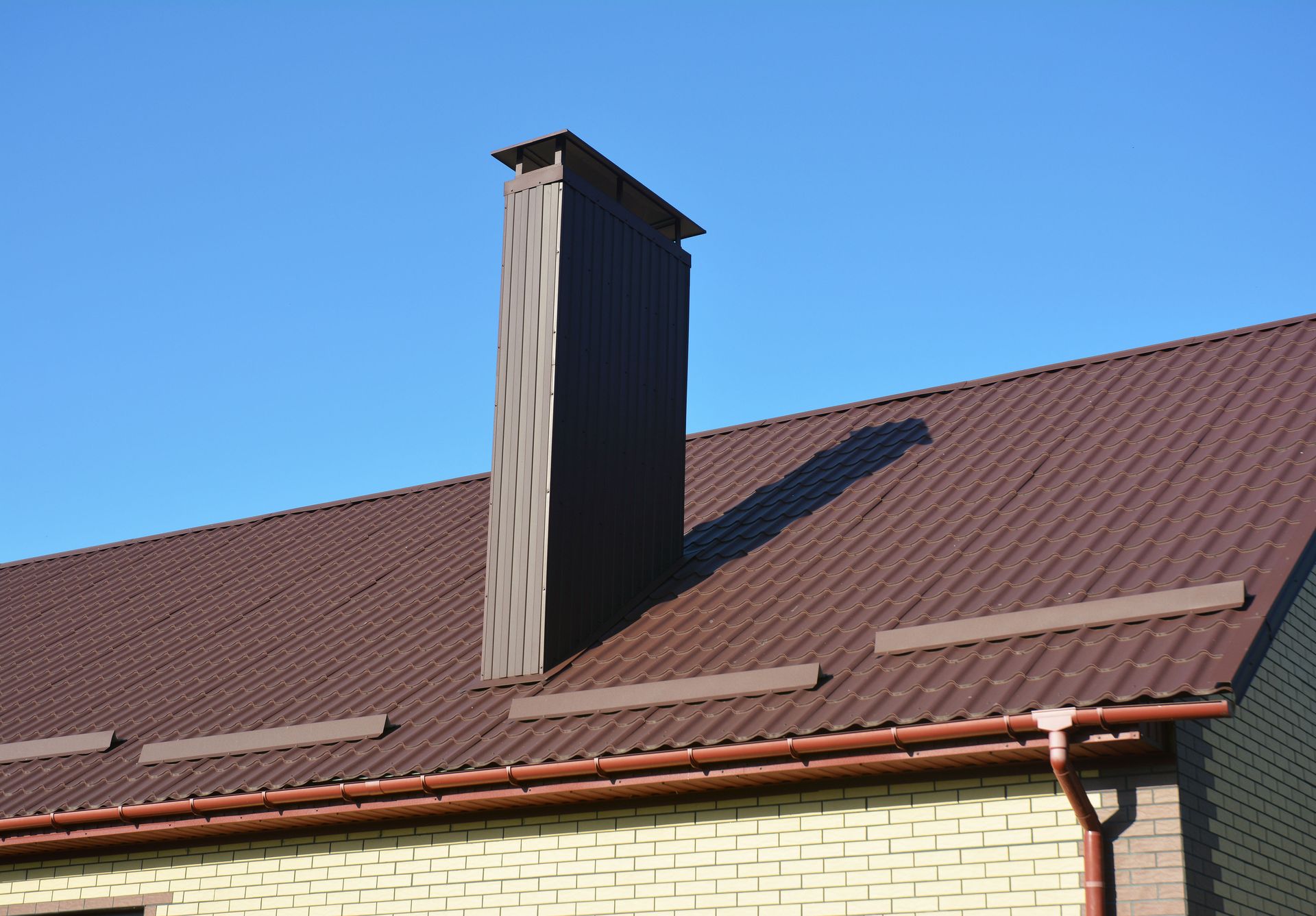
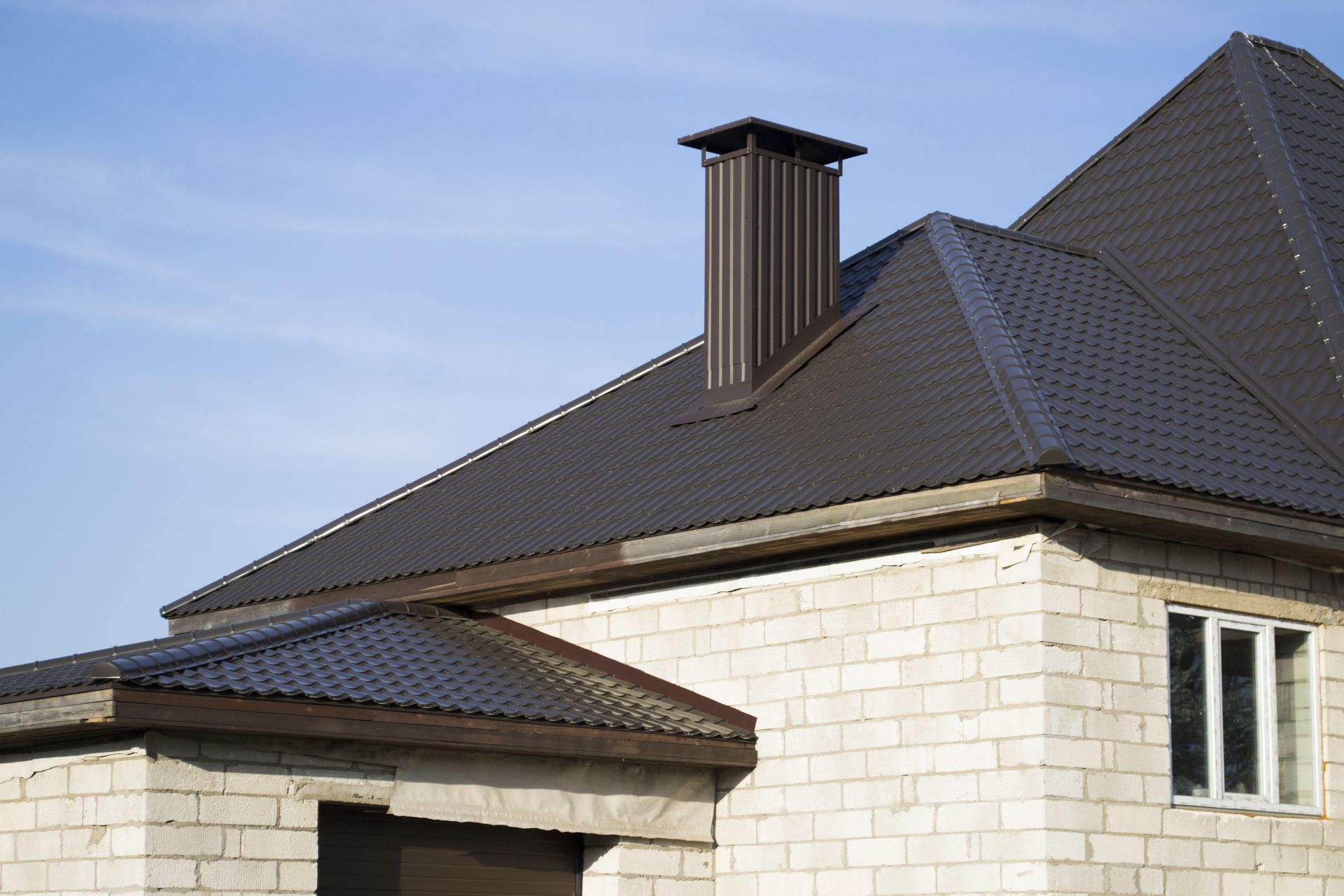
Using specialized tools and gentle cleaning agents protects the roof’s surface. Avoiding high-pressure washers or metal tools reduces the risk of scratches, dents, and subsequent rust. Homeowners can also combine roof cleaning with maintenance of other roof features, such as skylights, vents, and chimneys, to ensure the entire roofing system remains functional and free from damage.
Adding leaf guards or mesh screens over drainage areas can minimize debris buildup and reduce cleaning frequency. Additionally, trimming overhanging tree branches prevents leaves from accumulating on the roof and limits the risk of physical damage from falling limbs. Regular cleaning helps maintain the reflective properties of a metal roof, which is important for energy efficiency in both hot and cold climates.
Preventing and Treating Rust
Rust prevention is a critical part of maintaining a metal roof. Protective coatings like zinc layers or specialized paints act as barriers against moisture, which is the main cause of rust. According to Roofer Digest, metal roofs are built to endure strong winds and can often withstand forces up to 140 miles per hour. Maintaining rust-free surfaces ensures these roofs continue to resist environmental elements effectively.
Periodic reapplication of protective coatings extends the roof’s life and reinforces its structural integrity. Inspecting the roof for scratches or abrasions allows for spot treatments before rust develops. Simple rust-inhibiting solutions applied to small areas can prevent the spread of corrosion, keeping the roof functional and attractive. Homeowners should also pay attention to areas prone to water pooling, such as valleys and edges, as these spots are more susceptible to rust formation.
For severe rust or damage, professional intervention is recommended. Experts can provide comprehensive treatments and ensure that rust does not compromise the roof’s performance. Using high-quality coatings and paints during maintenance further improves resistance to UV rays, wind, and precipitation. By incorporating routine rust prevention, homeowners can maintain the aesthetic and functional benefits gained from a metal roof installation for decades.
Maintaining Gutter Systems
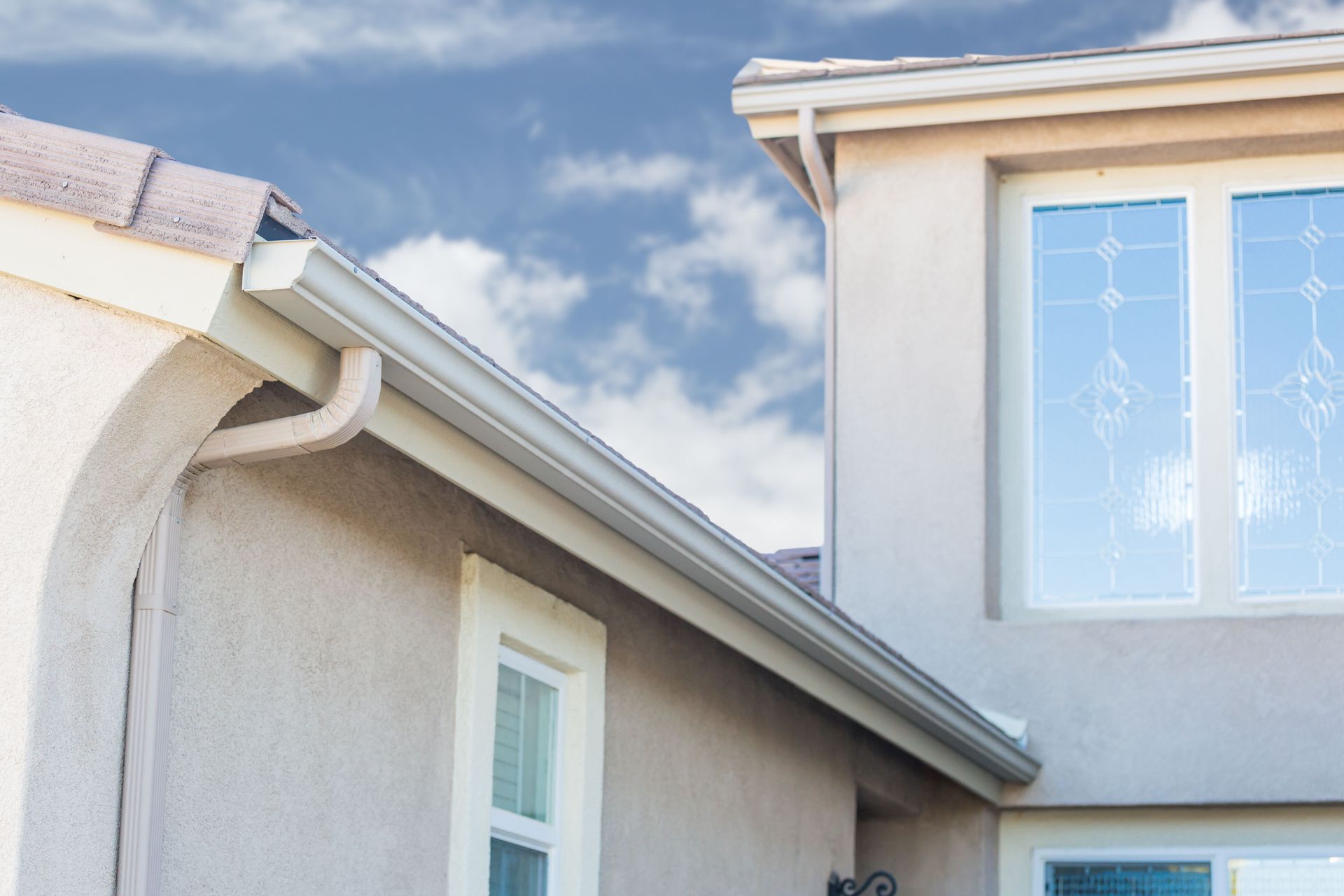
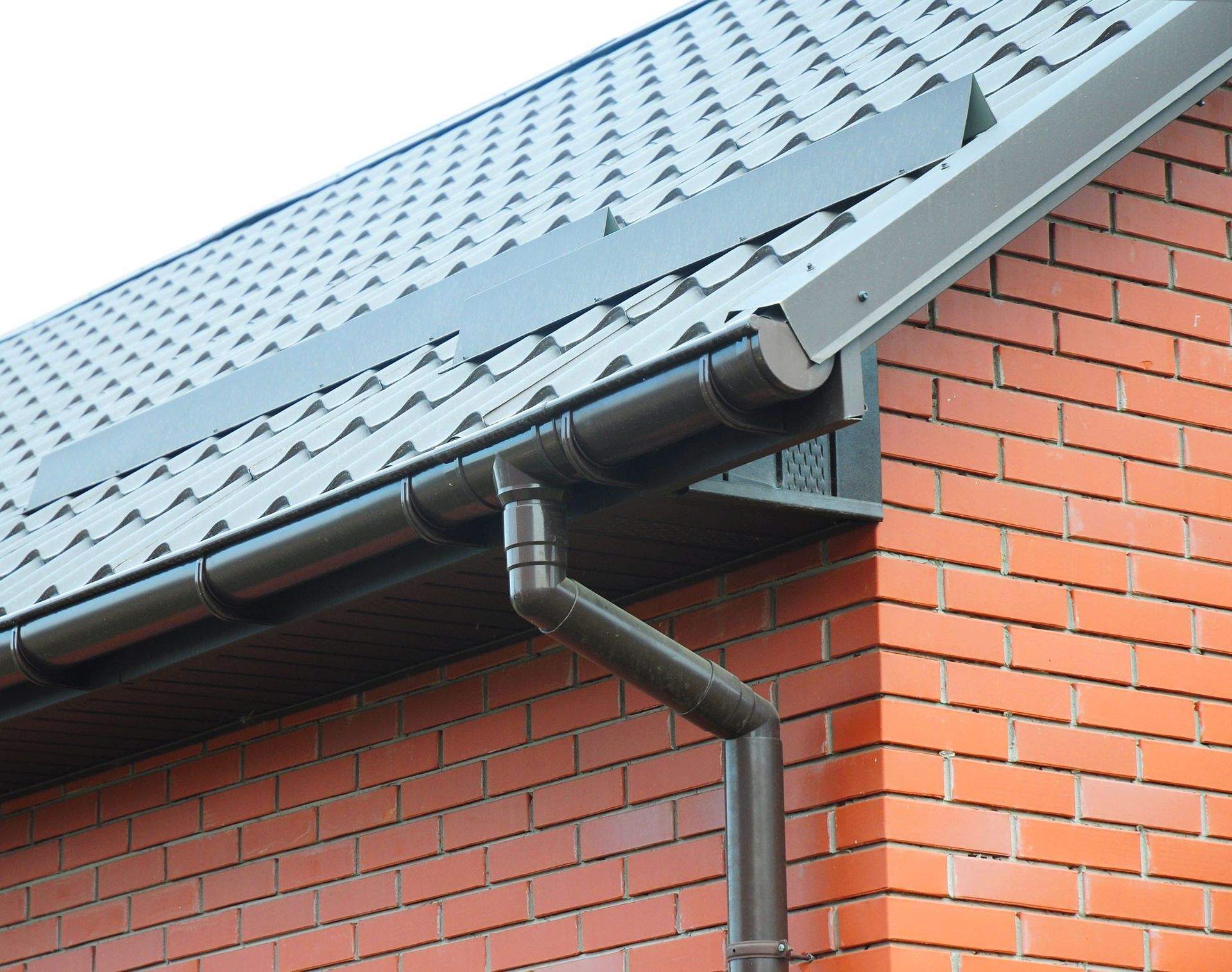
Gutters play a vital role in the longevity of your roof by directing water away from the structure. Blocked or damaged gutters can cause water overflow, which may lead to rust, roof rot, or structural damage. Regular cleaning removes leaves, branches, and other debris to ensure efficient drainage. Checking seams and joints for leaks maintains smooth water flow.
Installing gutter guards minimizes debris accumulation and reduces cleaning frequency. Properly pitched gutters and extended downspouts help direct water away from your home’s foundation, protecting against erosion and water damage. Regular gutter inspections ensure that downspouts remain unobstructed, particularly after storms or seasonal leaf drop. Addressing minor gutter issues promptly prevents them from evolving into costly roof or foundation problems.
Consistent maintenance of gutter systems works hand-in-hand with metal roof care. Clean, properly functioning gutters help preserve the protective coatings on the roof and prevent water-related structural issues. Over time, this holistic approach reinforces the roof’s ability to endure environmental stressors and maintains the long-term benefits of your metal roof installation.
Addressing Thermal Movement
Metal roofs expand and contract with temperature changes, which can affect roof sheets and fasteners over time. Inspecting expansion joints and adjusting fasteners ensures stability and prevents leaks or structural stress. Understanding thermal movement is essential for sustaining roof performance. Extreme temperature swings can accelerate wear on roofing materials if not properly managed.
Insulation and reflective coatings help manage temperature fluctuations, reducing expansion stress on the roof. Reflective coatings lower surface temperatures by deflecting solar heat, minimizing the impact of thermal expansion. Installing proper insulation under the roof can also improve indoor energy efficiency while reducing the stress caused by rapid heating and cooling. When thermal movement issues are complex, consulting a roofing specialist can provide professional solutions to maintain long-term performance.
Sealing and Painting
Sealing your metal roof creates a protective barrier against water intrusion. Selecting sealants compatible with your roof type and reapplying them regularly maintains protection against leaks and environmental damage. Regular sealing reinforces the roof’s structural integrity and prolongs its useful life.
Painting adds another layer of protection while enhancing aesthetics. Metal-specific paints resist UV damage and slow wear over time. Proper application ensures even coverage and maximum adhesion, safeguarding the roof’s surface from environmental stressors. Scheduled painting and sealing not only prolongs roof life but also maintains the home’s curb appeal. Fresh coatings improve color retention and prevent fading from prolonged sun exposure.
Homeowners who follow a regular schedule for sealing and painting ensure their metal roof continues to deliver both functional and aesthetic benefits. Combining these practices with inspections, cleaning, and gutter maintenance forms a comprehensive maintenance strategy, maximizing the longevity and value of a metal roof installation.
Maintaining a metal roof after installation involves a combination of inspections, cleaning, rust prevention, gutter care, thermal management, and sealing and painting. Following these strategies helps preserve the roof’s durability, functionality, and visual appeal. By investing in regular maintenance and professional guidance when needed, homeowners can enjoy the long-term benefits of their metal roof installation, ensuring a strong, reliable, and attractive roof for decades to come. For more information, contact AAA Metal Works today.